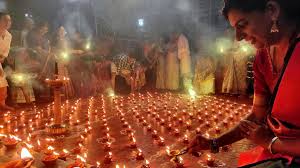
Deepavali, one of India’s most celebrated festivals, has officially been added to the UNESCO Intangible Cultural Heritage List. The recognition highlights its global cultural significance
Deepavali, popularly known as Diwali, has been officially inscribed on the UNESCO Representative List of the Intangible Cultural Heritage of Humanity. The announcement was made during UNESCO’s annual committee meeting on 10 December 2025, bringing India’s total entries on the heritage list to sixteen.
The festival, celebrated by millions across India and worldwide, symbolizes the victory of light over darkness and good over evil. UNESCO highlighted Deepavali’s universal values of community bonding, cultural unity, and spiritual reflection as key reasons for its inclusion.
In a statement, UNESCO noted that Deepavali promotes social harmony, traditional rituals, and inter-generational cultural transmission. The festival’s diverse forms — from lighting lamps and decorating homes to prayers, music, and festive gatherings — represent India’s vibrant cultural fabric.
Indian leaders and cultural bodies welcomed the recognition, calling it a proud moment for the nation. The Ministry of Culture stated that the listing reinforces India’s commitment to preserving and promoting its rich cultural heritage on a global platform.
With this addition, India now stands among countries with the highest number of UNESCO-recognized intangible cultural traditions, including Yoga, Kumbh Mela, Kalbelia dance, and the Durga Puja festival.
The inclusion of Deepavali is expected to boost India’s cultural visibility globally and support initiatives to document, protect, and promote the festival in its traditional form.