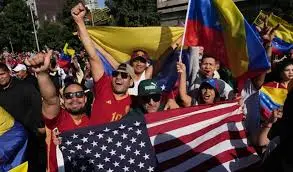
The United States has launched a dramatic military operation capturing Venezuelan President Nicolás Maduro. The move has triggered global backlash, diplomatic tensions, and uncertainty over Venezuela’s future governance.
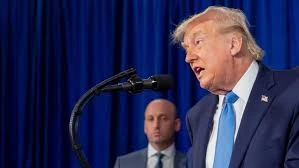
In a major geopolitical development, U.S. forces have captured Venezuelan President Nicolás Maduro in a surprise military operation and transported him to New York to face drug-trafficking charges. The unprecedented action has sent shockwaves across the international community and raised serious questions about international law and regional stability.
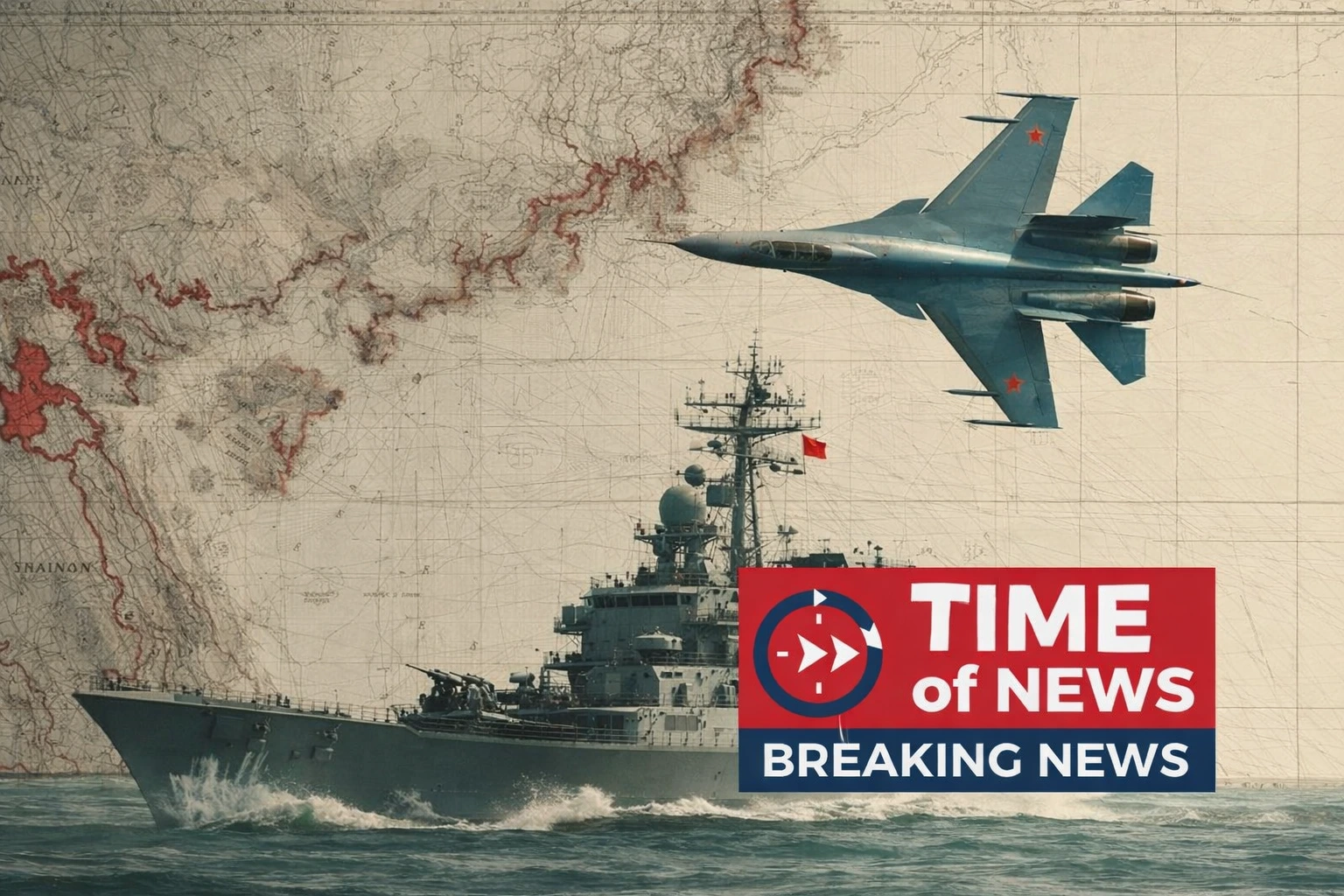
China strongly criticized the United States, with its foreign minister accusing Washington of acting like a “world judge.” Beijing stated that such actions violate international norms and warned that the issue could be taken up at the United Nations, signaling a potential diplomatic confrontation.
Meanwhile, confusion surrounds the United States’ plans for Venezuela’s governance. Officials have not clearly outlined how the country will be administered following Maduro’s arrest, sparking concerns about political instability, leadership vacuum, and civil unrest within Venezuela.
The operation also had immediate regional consequences, as parts of Caribbean airspace were temporarily closed. This caused travel disruptions for passengers before flights gradually resumed normal operations.
The capture of a sitting president marks one of the most dramatic U.S. foreign policy actions in recent years, with analysts warning that its long-term implications could reshape relations across Latin America and beyond.