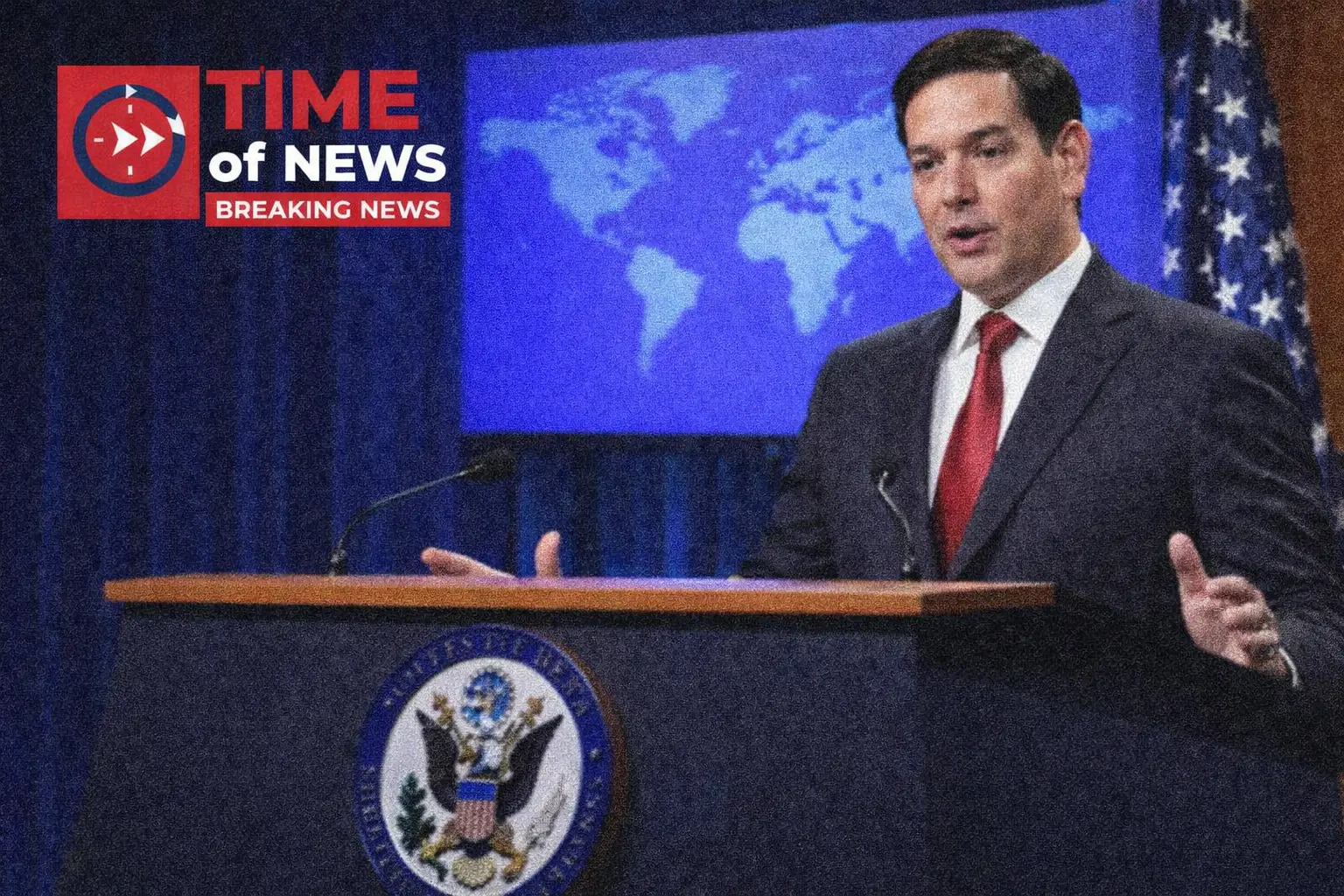
The U.S. State Department has announced visa restrictions targeting foreign individuals accused of pressuring global platforms to censor American speech. The move underscores Washington’s growing stance against what it calls the “global censorship-industrial complex” and aims to defend digital free expression
WASHINGTON — The United States Department of State has announced a major policy move targeting what it calls the “global censorship-industrial complex,” unveiling visa restrictions on foreign nationals accused of pressuring American technology platforms to censor U.S. speech.
In an official statement released on December 24, 2025, the State Department said it had identified several individuals involved in coordinated efforts to influence U.S.-based digital platforms to censor, demonetize, or restrict the reach of lawful American viewpoints. Officials warned that such actions undermine democratic values and carry serious foreign policy consequences.
“For too long, ideologues operating outside the United States have sought to coerce American platforms into silencing viewpoints they disagree with,” the statement said. “This step reflects our commitment to defending freedom of expression and ensuring that U.S. digital platforms remain free from extraterritorial censorship pressure.”
The visa restrictions are expected to bar the targeted individuals from entering the United States. Authorities also noted that, where legally applicable, removal proceedings could be initiated against certain individuals already present in the country under existing immigration laws.
The announcement highlights Washington’s broader push to safeguard digital free speech as part of its foreign policy agenda. While the State Department did not publicly disclose the names of those affected, diplomatic and media sources suggest that some foreign regulators and activists linked to global content-moderation initiatives may be impacted.
U.S. officials said the move is designed to counter growing foreign influence over American online discourse, particularly from non-governmental organizations and regulatory bodies advocating stricter content controls. Critics, however, caution that the decision could strain diplomatic ties, as some individuals involved have participated in international efforts to address online harms such as misinformation and hate speech.
The development underscores an escalating clash between U.S. foreign policy priorities and global digital regulation trends. By using immigration tools to push back against perceived censorship networks, Washington is signaling a shift in how it approaches digital rights, platform governance, and cross-border speech in an increasingly connected world.